Self Assessment by 31 January 2027: a November checklist for sole traders
Filing in November rather than late January gives you time to find missing paperwork, plan payment and, if you qualify, have tax collected through your tax code.
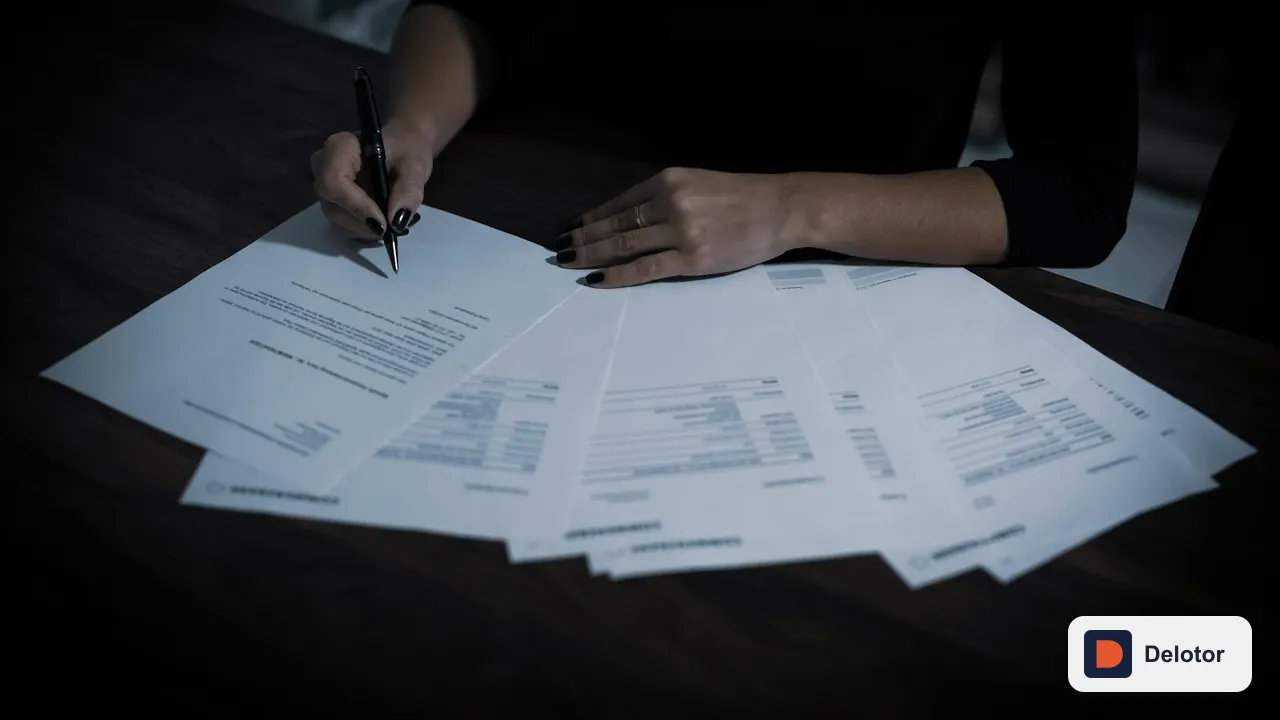
For the 2025 to 2026 tax year, the deadline for filing your Self Assessment return online, and for paying any tax owed, is 11:59pm on 31 January 2027. If you file online by 30 December 2026, owe less than a certain amount and are also employed or receive a pension, HMRC may be able to collect the tax through your tax code instead of a lump sum. Filing in November or early December gives you both options and leaves room to fix problems.
The dates that matter this winter
From HMRC's Self Assessment deadlines page:
- 31 October 2026: paper returns had to arrive by this date. If you missed it, file online instead.
- 30 December 2026: file online by 11:59pm if you want any amount due collected through your PAYE tax code, where you are eligible.
- 31 January 2027: online filing deadline, and the date to pay the balance for 2025 to 2026 plus any first payment on account for 2026 to 2027.
- 31 July 2027: second payment on account, if you make them.
If you registered for Self Assessment after 5 October 2026, HMRC will give you a later filing deadline by letter or email.
What missing the deadline costs
The penalty rules stack up quickly:
| How late | Filing penalty |
|---|---|
| 1 day | £100 |
| 3 months | £10 a day, up to £900 |
| 6 months | a further 5% of tax due or £300, whichever is greater |
| 12 months | another 5% or £300, whichever is greater |
Paying late is charged separately: 5% of the unpaid tax at 30 days, 6 months and 12 months, plus interest. If you had a reasonable excuse, you can appeal.
A checklist to work through in November
1. Gather your income records
- Sales invoices or takings records for 6 April 2025 to 5 April 2026.
- Statements from platforms you sell through.
- P60 or P45 if you were also employed, and any P11D for benefits.
- Rental income records, bank interest and dividend statements.
2. Pull together expenses
Go through business bank statements line by line and match receipts. Common claims for sole traders include materials, phone and broadband (business share), software, insurance, professional fees, and travel. If you work from home, choose between the flat rate or a proportion of actual costs, and be consistent with previous years.
3. Check your login and details
Sign in to your HMRC online account now, not on 30 January. Make sure your contact details, bank account for repayments and two-step verification are up to date.
4. Estimate the bill
Work out roughly what you owe, including payments on account if your bill is above the threshold for them. Add the January payment to your cash forecast. If you keep a rolling 13-week forecast, January will already be inside its window.
5. File, then pay
Filing early does not mean paying early. You can submit in November and pay by 31 January. If you cannot pay in full, HMRC offers payment plans for some taxpayers; ask before the deadline rather than after.
Changes coming that affect next year's planning
The Budget on 28 October 2026 announced several measures that matter for the self-employed, though none changes the return you file this January:
- The trading allowance rises from £1,000 to £3,000 from 6 April 2027, which could take some very small side businesses out of Self Assessment altogether.
- Payments on account are due to be modernised from April 2029, with smaller, more regular payments.
- Parental pay is being extended to self-employed fathers and partners.
Separately, sole traders and landlords whose gross income was over £30,000 in 2025 to 2026 will need to use Making Tax Digital for Income Tax from April 2027. The return you file this winter is the one HMRC will use to decide.
Keep this year's records tidy for next time
The biggest time sink in January is usually hunting for documents. A single folder for each tax year, with subfolders for income, expenses and tax letters, makes next year far easier. Our guide to keeping a reference folder you can trust was written with research in mind, but the same naming habits work for tax paperwork.
Mistakes that slow people down
The same errors appear in many late returns. People forget bank interest on a savings account, or income from a small side activity they did not think of as a business. Others claim personal costs in full where only a business share is allowable, such as a phone used for both. Some enter figures for the wrong tax year because their own accounts run to a different date.
Before you submit, read the calculation summary HMRC shows you and compare the bill with last year. A sharp change in either direction is worth a second look. If something is unclear, it is better to pause and check than to amend a return later.
This checklist is general information. If your affairs are more complex, for example with capital gains, foreign income or a recent change of business structure, a qualified accountant can help you file correctly.